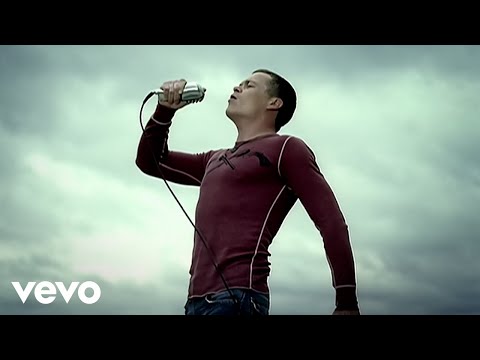
It's Not My Time: A Defiant Stand Against Life's Undertow
The Message of Resilient Defiance
3 Doors Down crafts a powerful anthem about refusing to surrender when life's adversities threaten to overwhelm. The song's protagonist stands at a precipice, recognizing existential danger but choosing active resistance over passive acceptance. What makes this particularly compelling is the song's acknowledgment that danger is real—this isn't naïve optimism but conscious defiance. The shift from physical survival to philosophical awakening elevates the message beyond simple perseverance; it's about reclaiming agency over one's narrative. The distinction between what we have and what we believe becomes the song's philosophical anchor, suggesting that conviction and purpose matter more than circumstances.
The Emotional Landscape
The genius of this track lies in its emotional complexity. Fear exists but remains concealed, creating tension between internal turmoil and outward determination. This hidden terror makes the defiance more authentic and relatable than straightforward bravado would allow. The progression from vulnerability to willpower—from merely recognizing fear to discovering inner strength—provides an emotional arc that mirrors genuine psychological transformation. There's desperation in the acknowledgment that forces beyond control are "trying to take away" dreams, yet the response isn't resignation but fierce reclamation. This emotional authenticity, where courage coexists with admitted fear, gives the song its visceral impact.
Literary Craft and Symbolism
The water metaphor carries the entire narrative weight—life begins as an expansive ocean of possibility before currents become treacherous, pulling the speaker under. This drowning imagery works on multiple levels: it represents depression, life-threatening illness, systemic oppression, or any force that slowly suffocates hope. The repetition of time-related phrases creates urgency while the contrast between seeing and believing establishes an epistemological framework. The friend addressed in the lyrics could be literal, metaphorical (representing the speaker's better self), or even the listener, creating intimacy through direct address. The veil metaphor—blindness giving way to understanding—marks the pivotal moment where survival instinct transforms into purposeful resistance.
Universal Resonance and Social Commentary
This song taps into the fundamental human experience of facing mortality or life-altering crisis while refusing premature defeat. Whether confronting serious illness, mental health struggles, economic devastation, or personal loss, the message speaks to anyone who's felt circumstances conspiring against them. In broader social context, it resonates with those battling systems designed to crush individual dreams—the working class fighting against economic currents, marginalized communities resisting erasure, or anyone whose existence feels perpetually threatened. The insistence that there's more than what's immediately visible suggests faith not necessarily religious but humanistic: belief in possibility despite evidence to the contrary.
Why It Endures
The song's lasting appeal stems from its perfect balance between vulnerability and strength, making it simultaneously a survival anthem and a confession of fear. Its rock arrangement provides the sonic power to match the lyrical determination, while the melodic accessibility ensures the message penetrates broadly. Listeners find empowerment without feeling patronized because the song admits struggle rather than minimizing it. In an era where both personal and collective challenges can feel insurmountable, this declaration of self-determination offers catharsis. It doesn't promise easy victory or deny harsh realities—it simply insists on the right to keep fighting, to believe in more, to choose meaning over circumstance. That honest, hard-won defiance is what transforms a good rock song into an enduring testament to human resilience.