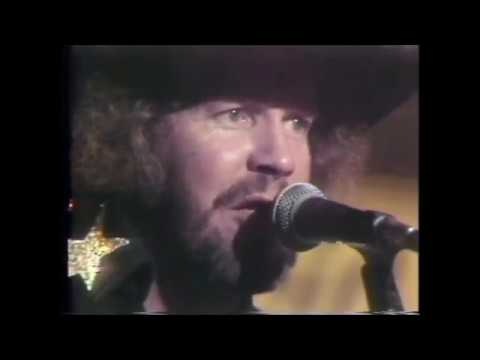
The Perfect Country Song That Became a Meta-Masterpiece
David Allan Coe's song operates on two brilliant levels simultaneously: as a plaintive lament about emotional invisibility within a relationship, and as a self-aware deconstruction of country music itself. The core message explores the profound loneliness of loving someone who sees you only in generic terms, never truly acknowledging your individual identity. This transforms midway through into a tongue-in-cheek examination of country music's formulaic nature, with Steve Goodman's absurdist final verse deliberately cramming every possible country cliché into one catastrophic scenario. What Coe ultimately communicates is both the pain of being overlooked and the genre's ability to find humor and catharsis even in its own conventions.
The emotional landscape shifts dramatically throughout the piece, beginning with genuine melancholy and resignation. There's a palpable ache in accepting being called generic endearments while never hearing your actual name—a metaphor for being loved without being truly seen or known. The willingness to "hang around" and "stand in the rain" conveys a desperate, self-diminishing devotion that many listeners find uncomfortably recognizable. Then the spoken-word interlude ruptures this vulnerability with humor, transforming grief into playful irreverence. The final verse's emotional register becomes deliberately ridiculous, yet somehow the absurdity amplifies rather than diminishes the song's emotional truth about longing for recognition.
Coe employs powerful symbolism throughout, particularly the repeated motif of names. Invoking Waylon Jennings, Charlie Pride, and Merle Haggard isn't just name-dropping—it's about being lumped into categories, seen as interchangeable rather than unique. The rain becomes a symbol of patient suffering and emotional exposure, while the mention of Jesus and judgment day elevates the desire for recognition to cosmic significance. The final verse's literary device is hyperbolic accumulation, piling tragedy upon tragedy until it becomes darkly comic. This technique simultaneously mocks and honors country music's tradition of finding poetry in hardship, revealing how the genre processes pain through both sincerity and self-awareness.
At its heart, this song taps into the universal human terror of invisibility—the fear that even those closest to us don't truly see who we are. It speaks to anyone who's felt like a placeholder in someone else's life, generically loved but not specifically known. The artistic angle addresses the broader social theme of authenticity versus formula, questioning what makes art genuine while acknowledging that conventions exist because they resonate with real experience. The song becomes a meditation on identity itself: whether as an individual in a relationship or an artist in a genre, we all grapple with being categorized, stereotyped, or overlooked in our particularity.
This song resonates decades later because it achieves something rare: it's simultaneously sincere and satirical without undermining either mode. Country music fans appreciate both the genuine heartbreak and the affectionate ribbing of their genre's tropes. The meta-textual element—the story about Steve Goodman and the "perfect" country song—creates an intimate, conversational quality that makes listeners feel like insiders to the creative process. Most powerfully, it validates the seemingly contradictory idea that you can honor something by laughing at it, that formulas exist because they capture truth, and that the deepest longing for recognition can coexist with the ability to laugh at our own melodrama. Coe reminds us that art doesn't have to choose between heart and humor—the best work contains both.