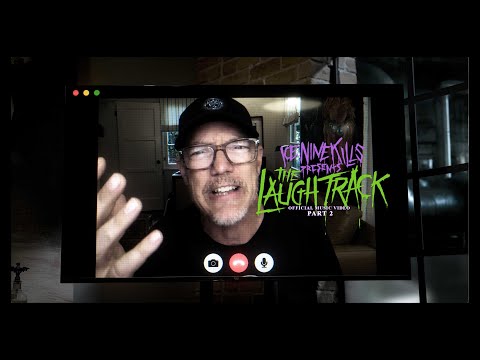
The Laugh Track: When Chaos Becomes Performance Art
Ice Nine Kills delivers a theatrical descent into madness with "The Laugh Track," channeling DC's most infamous villain to explore the seductive nature of nihilism. The core message examines how societal decay creates monsters, while simultaneously questioning whether those monsters are merely reflecting the corruption around them. Through the Joker's perspective, the band communicates a disturbing philosophy: when the world is already burning, why not dance in the flames? The song presents chaos not as senseless violence but as an inevitable response to a diseased civilization, positioning destruction as both performance and judgment—a blood-soaked variety show where the punchline is society's own moral bankruptcy.
The dominant emotion throughout the track is gleeful malevolence, a disconcerting cocktail of humor and horror that forces listeners into uncomfortable psychological territory. There's a manic energy that resonates because it taps into that forbidden curiosity about letting go of social contracts and embracing complete freedom from consequence. The theatrical delivery mirrors carnival barkers and showmen, transforming murder into entertainment and suffering into spectacle. This emotional landscape resonates particularly in our current moment, where real-world tragedies are commodified for clicks and views, where every disaster becomes content, and where the line between reality and performance grows increasingly blurred.
The literary craftsmanship showcases Ice Nine Kills' signature approach of horror-meets-metalcore through dense symbolic layering. The recurring time motif creates urgency while emphasizing inevitability—the ticking clock suggesting both countdown to catastrophe and the relentless march toward an apocalyptic punchline. The duality imagery of comedy and killing spree, smiles and screams, creates cognitive dissonance that mirrors the Joker's fractured psyche. The acid bath origin becomes a baptism in reverse, a religious imagery inversion that replaces redemption with corruption. The parade metaphor transforms civic celebration into death march, suggesting how easily collective joy becomes collective madness when channeled through the right conductor.
Beyond comic book villainy, this song connects to profoundly universal anxieties about systemic failure and institutional collapse. The repeated assertion that divine intervention is useless speaks to widespread disillusionment with traditional power structures and moral frameworks. The indictment of Gotham's greed reflects legitimate rage against corruption, inequality, and the way capitalism creates its own monsters. There's social commentary about how society creates villains through neglect and exploitation, then acts surprised when those villains emerge seeking revenge. The song captures that contemporary feeling that we're all trapped in someone else's punchline, passengers in a vehicle careening toward disaster while those at the wheel cackle maniacally.
This track resonates because Ice Nine Kills understands that horror's appeal lies in confronting what we fear through controlled artistic experience. Audiences connect with the forbidden catharsis of watching the world burn when daily life feels like slow-motion collapse anyway. The theatrical metal delivery provides the perfect vehicle for this exploration—over-the-top enough to maintain artistic distance, yet visceral enough to feel genuinely transgressive. In an era where traditional narratives about heroism and justice feel increasingly hollow, there's dark satisfaction in embracing the villain's perspective, in acknowledging that sometimes the joke really is on us, and perhaps the only honest response to absurdity is laughter—even if that laughter sounds suspiciously like screaming.