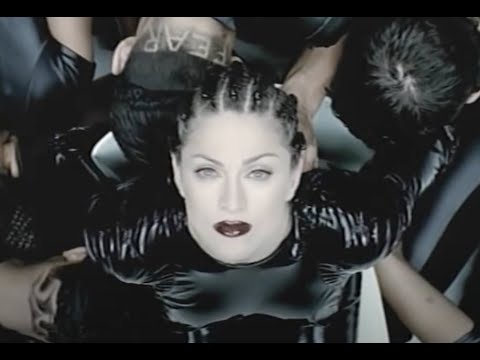
Human Nature Howie Tee New Edit

by Madonna

Download Song Here
Express yourself, don't repress yourself
So give me room to breathe and get off these -
Express yourself, don't repress yourself
So give me room to breathe and get off these -
And I'm not sorry (I'm not sorry)
It's human nature (it's human nature)
And I'm not sorry (I'm not sorry)
I'm not your bitch, don't hang your sh- on me (it's human nature)
You wouldn't let me say the words I longed to say
You didn't want to see life through my eyes (express yourself, don't repress yourself)
You tried to shove me back inside your narrow room
And silence me with bitterness and lies (express yourself, don't repress yourself)
Did I say something wrong?
Oops, I didn't know I couldn't talk about sex (I must've been crazy)
Did I stay too long?
Oops, I didn't know I couldn't speak my mind (what was I thinking?)
And I'm not sorry (I'm not sorry)
It's human nature (it's human nature)
And I'm not sorry (I'm not sorry)
I'm not your bitch, don't hang your sh- on me (it's human nature)
You punished me for telling you my fantasies
I'm breaking all the rules I didn't make (express yourself, don't repress yourself)
You took my words and made a trap for silly fools
You held me down and tried to make me break (express yourself, don't repress yourself)
Did I say something true?
Oops, I didn't know I couldn't talk about sex (I must've been crazy)
Did I have a point of view?
Oops, I didn't know I couldn't talk about you (what was I thinking?)
And I'm not sorry (I'm not sorry)
It's human nature (it's human nature)
And I'm not sorry (I'm not sorry)
I'm not your bitch, don't hang your sh- on me (it's human nature)
And I'm not sorry (I'm not sorry, I'm not apologizing)
It's human nature (it's human nature, would it sound better if I were a man?)
And I'm not sorry (I'm not sorry, you're the one with the problem)
I'm not your bitch, don't hang your sh- on me (it's human nature)
(Why don't you just deal with it?)
Would you like me better if I was?

Interpretations

MyBesh.com Curated

User Interpretation
# The Unapologetic Manifesto: Madonna's Defiant Reclamation

Madonna's "Human Nature" remix stands as a watershed moment in pop music's confrontation with sexual double standards and artistic censorship. The core message pulses with defiant clarity: the artist refuses to be silenced, shamed, or confined by societal expectations that punish women for expressing their sexuality and opinions. This is Madonna responding directly to the backlash she faced for the provocative "Sex" book and "Erotica" era, but rather than retreating, she doubles down. The song communicates that desire, frankness, and self-assertion aren't aberrations requiring apology—they're fundamental aspects of being human. The Howie Tee edit amplifies this message through its raw, stripped-down production that refuses polish or prettiness, mirroring the unvarnished honesty of the lyrics themselves.

The emotional landscape here thrums with righteous anger tempered by sardonic humor. There's a palpable frustration in the way Madonna catalogs the attempts to silence and constrain her, yet the repeated declaration of non-apology carries an almost gleeful defiance. The mock-innocent "oops" interjections drip with sarcasm, transforming what might have been wounded defensiveness into aggressive reclamation of agency. This emotional complexity resonates because it captures the exhausting reality of constantly justifying one's right to exist outside prescribed boundaries. The anger never tips into victimhood; instead, it transforms into empowerment, inviting listeners to channel their own frustrations into refusal rather than submission.

The literary architecture of the song employs repetition as both mantra and weapon. The chorus functions as an incantation, each repetition reinforcing the speaker's position until it becomes unassailable truth. The phrase "it's human nature" reframes what critics condemned as transgressive behavior into something universal and inarguable—a rhetorical judo move that flips shame back onto the shamers. The imagery of narrow rooms and being held down creates claustrophobic metaphors for patriarchal constraint, while the trap made of her own words symbolizes how women's expressions are weaponized against them. The rhetorical questions scattered throughout employ a deliberately faux-naïve tone that highlights the absurdity of the rules she's supposedly broken, exposing the arbitrary nature of social boundaries around female sexuality.

This song taps into universal experiences of being judged, misunderstood, and constrained by others' discomfort with authenticity. Madonna specifically addresses the gendered dimension with her pointed question about whether she'd be more acceptable "if I were a man," cutting to the heart of how identical behaviors receive dramatically different receptions based on the performer's gender. The song resonates beyond sexuality to encompass any situation where authentic self-expression meets punitive social control—whether that's discussing taboo topics, holding unconventional opinions, or simply refusing to make oneself smaller for others' comfort. The demand for room to breathe speaks to anyone who's felt suffocated by others' expectations or projections.

"Human Nature" endures because it articulates something many feel but struggle to voice: the exhaustion of apologizing for existing outside others' comfort zones. Madonna's refusal to engage in performative contrition was radical in 1995 and remains provocative today in an era of constant public apologies and call-out culture. The song resonates because it gives permission for boundaries—not the boundaries society wants to impose on us, but the ones we set against those who would shame us into silence. It's a rallying cry for anyone tired of carrying others' baggage, and that message remains perpetually relevant. The track succeeds not despite its confrontational stance but because of it, offering catharsis through its uncompromising assertion that some things simply don't require apology.

MyBesh.com Curated

User Interpretation
# Madonna's Defiant Declaration: A Critical Analysis of "Human Nature"

Madonna's "Human Nature (Howie Tee New Edit)" stands as one of pop music's most unapologetic manifestations of female autonomy and sexual agency. At its core, this track is a refusal—a deliberate rejection of societal expectations that demand women remain apologetic about their desires, opinions, and fundamental humanity. The artist positions herself not as a provocateur seeking attention, but as someone simply claiming the right to exist authentically. The message is deceptively simple yet revolutionary: female sexuality and outspokenness are not aberrations requiring apology but intrinsic aspects of being human. Madonna transforms what society frames as transgression into something utterly ordinary, weaponizing the phrase "it's human nature" to normalize what patriarchal structures have long deemed scandalous.

The emotional landscape of this track pulses with righteous indignation tempered by world-weary resignation. There's a palpable exhaustion in the rhetorical questions—the mock-apologetic "Oops, I didn't know"—that drips with sarcasm rather than genuine regret. This isn't the raw anger of someone newly awakened to injustice, but the steely resolve of someone who has already fought these battles and refuses to retreat. The defiance resonates precisely because it feels earned rather than performative, channeling the frustration of countless women who've been told to shrink themselves, soften their edges, and apologize for taking up space. Yet beneath the armor of defiance runs an undercurrent of vulnerability—the genuine question "Would you like me better if I was?" reveals the emotional toll of constant resistance, even as she refuses to change.

The song employs confrontational directness as its primary literary strategy, with repetition serving as both mantra and battle cry. The insistent refrain of "express yourself, don't repress yourself" functions as both self-affirmation and revolutionary instruction, echoing across the track like a manifesto. Madonna utilizes the metaphor of confinement throughout—narrow rooms, being held down, being forced back inside—creating claustrophobic imagery that mirrors the suffocating nature of imposed silence. The most provocative phrase serves as both boundary-setting and radical redefinition of relationship dynamics, reclaiming language typically used to demean women and repurposing it as a declaration of independence. Her use of mock-naivety ("Did I say something wrong?") operates as cutting irony, exposing the absurdity of taboos around female sexuality and opinion.

This track taps into the universal experience of being punished for authenticity, of having one's words twisted and weaponized, of navigating spaces where your very existence feels like provocation. Beyond its specific engagement with female sexuality and expression, "Human Nature" speaks to anyone who has been told their truth is too much, too loud, too inconvenient. It addresses the exhausting performance of palatability that marginalized groups are expected to maintain, and the revolutionary act of simply refusing to play along. The song emerged during intense media scrutiny of Madonna's "Sex" book and "Erotica" era, but its resonance extends far beyond that context—it speaks to ongoing cultural anxieties about women who refuse to be controlled, silenced, or shamed.

"Human Nature" resonates because it offers something rare and precious: permission to stop apologizing. In a cultural landscape where women are socialized to preface opinions with "I'm sorry," to shrink themselves in meetings, to modulate their desires and ambitions to avoid threatening fragile egos, Madonna's absolute refusal to express remorse feels liberating. The track's enduring power lies not in shock value but in its unwavering stance—decades later, in an era of manufactured authenticity and carefully curated rebellion, this song's genuine defiance still cuts through the noise. It reminds listeners that claiming your humanity shouldn't require courage, yet often does, and that there's profound strength in refusing to accept others' shame as your own burden.