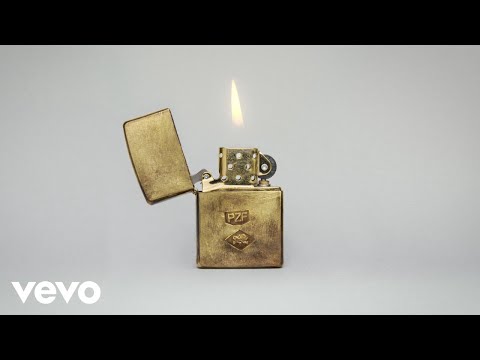
The Unburdening: A Critical Analysis of "Here"
At its core, this collaboration between Mumford & Sons and Chris Stapleton functions as a confessional inventory—a stark cataloguing of possessions both material and spiritual that have weighed down the narrator's soul. The song communicates the desperate human need to be known completely, flaws and all, by another person. Through the repeated gesture of offering up everything from credit cards to shame, from trophies to unspoken truths, the artist explores what it means to achieve genuine intimacy through radical vulnerability. This isn't just about sharing secrets; it's about handing over the weapons we've used against ourselves and others, trusting someone else to hold the full weight of who we've been.
The dominant emotion threading through this piece is a complex mixture of exhaustion and tentative hope. There's a bone-deep weariness in the repeated phrase "for too long," suggesting years of carrying burdens that were never meant to be borne alone. Yet beneath the regret and shame runs a current of cautious optimism—the possibility that another person might actually accept this offering, that confession might lead to absolution. The vulnerability feels particularly masculine in its expression, acknowledging pride and blame in ways that speak to how men are often socialized to hide their struggles with substances, unfulfilled responsibilities, and emotional debts. The emotional landscape resonates because it captures that precise moment when secrets become too heavy to carry and loneliness becomes unbearable.
The literary devices employed here create a ritualistic quality that elevates the song beyond simple confession. The anaphoric repetition of "here's" transforms the lyrics into a ceremonial laying down of arms, each item presented like an offering at an altar. The juxtaposition of disparate objects—a gun next to a picture, pride alongside shame, a trophy with mistakes—creates a holistic portrait of a complicated life rather than a sanitized version. The metaphor of the serenade itself is particularly poignant, traditionally a romantic gesture transformed into something lonelier and more desperate. The "gun" and "blade" function as dual symbols: literal representations of self-destructive capability and metaphorical weapons of emotional harm. The question "Can you hold all my secrets?" serves as the song's emotional fulcrum, the moment where inventory becomes plea.
This song taps into the universal human experience of feeling fundamentally unknowable while simultaneously craving to be fully seen. In an era of curated social media personas and surface-level connections, the raw honesty of presenting one's entire messy existence to another person feels both terrifying and necessary. The line "I just want to belong" speaks to the profound isolation of modern life, where achievement and appearance often mask deep disconnection. The social theme of masculinity in crisis runs throughout—the accumulation of pride and trophies that bear one's name while simultaneously harboring shame, addiction, and unmet obligations. It addresses how traditional masculine values of self-sufficiency can become a prison, preventing the vulnerability that genuine connection requires.
The song resonates with audiences because it articulates what many feel but cannot express: that healing requires witness, that intimacy demands complete honesty, and that belonging is impossible when hiding. In bringing together Mumford & Sons' folk sensibility and Stapleton's country authenticity, the collaboration creates a sound that feels both contemporary and timeless, matching the eternal nature of the themes explored. Listeners recognize themselves in this inventory of regret and hope, having their own lists of calls not made and answers not given. The song's power lies in its refusal to resolve—it doesn't promise that the other person will accept these offerings, only that they've been laid bare. That unresolved tension, that moment of vulnerable waiting, is where we all live when we dare to be truly known.