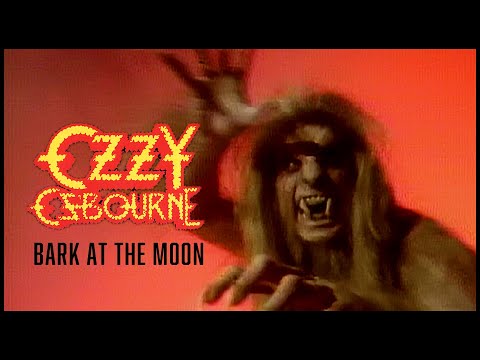
The Lunar Rebellion: Decoding Ozzy Osbourne's "Bark at the Moon"
In "Bark at the Moon," Ozzy Osbourne crafts a gothic horror narrative that transcends simple shock value, delivering a potent allegory about resurrection and revenge. The song tells the tale of a vengeful entity rising from the grave to exact retribution upon those who condemned him. While seemingly straightforward in its supernatural storyline, the genius of Osbourne's lyrical work lies in its layered meanings. At its core, the song explores themes of persecution, vindication, and the inevitable return of the suppressed—whether that suppression comes from society, authority figures, or one's own psyche. The howling figure at the narrative's center embodies the ultimate outsider returning to confront those who cast him out.
The emotional landscape of "Bark at the Moon" is rich with rage, defiance, and a dark form of triumph. Osbourne channels raw fury through lines like "Vengeance is boiling/He's returned to kill the light," creating an atmosphere of simmering retribution. Yet beneath this anger lies a more complex emotional undercurrent—the satisfaction of vindication, the liberation of breaking free from constraints, and the catharsis of finally being heard after prolonged silencing. The repeated chorus command to "bark at the moon" becomes a primal expression of these emotions, representing a forceful reclamation of voice and power.
Osbourne's lyrical craftsmanship shines through his extensive use of gothic imagery and religious symbolism. The nameless grave, the unholy resurrection, and the juxtaposition of "Heaven" and "the mouth of hell" create a richly textured supernatural landscape. The moon itself serves as the central metaphor—a celestial body associated with madness, transformation, and the hidden aspects of nature. The act of barking at it represents both futility and defiance, suggesting the protagonist's willingness to challenge even the most immutable cosmic forces. The lunar imagery ("living in a lunar spell") further emphasizes the character's existence outside normal reality, occupying a liminal space between life and death.
Contextually, "Bark at the Moon" can be interpreted as Osbourne's commentary on his own career and public persona. Released in 1983 as the title track of his third solo album, the song emerged during a period when Osbourne was rebuilding his career after leaving Black Sabbath and facing public controversy. The narrative of being buried "along with shame" only to rise again "to prove them wrong" parallels Osbourne's own professional resurrection. The character's transformation from victim to vengeful force mirrors Osbourne's evolution from a dismissed former frontman to a solo metal icon, essentially "barking" defiantly at critics and industry figures who had written him off.
The universal appeal of "Bark at the Moon" lies in its exploration of the outsider archetype that resonates across human experience. The buried and resurrected figure embodies anyone who has been silenced, marginalized, or dismissed, only to return with renewed strength. This theme connects with listeners who have experienced rejection or persecution, offering a vicarious thrill in the fantasy of triumphant return. The song's enduring popularity stems from this emotional accessibility, allowing fans to project their own experiences of alienation onto the supernatural narrative.
What ultimately makes "Bark at the Moon" a standout in Osbourne's catalog is how it balances horror aesthetics with genuine emotional depth. While reveling in macabre imagery, the song never loses sight of the very human feelings of betrayal and vindication driving its narrative. The haunting quality of lines like "They cursed and buried Him along with shame/And thought His timeless soul had gone" resonates because they speak to universal fears of being forgotten and universal hopes of proving one's worth. Decades after its release, the song continues to howl across the metal landscape, reminding listeners that sometimes the most powerful response to being silenced is to throw back your head and bark defiantly at whatever moon hangs above you.