The Ache of Anticipatory Love
RAYE's "Where Is My Husband" transforms the universal longing for partnership into a visceral, almost desperate anthem that captures something rarely articulated in popular music: the specific grief of waiting for a love that hasn't yet materialized. Rather than mourning a lost relationship, RAYE explores the complex emotional territory of mourning an absent one—a husband who exists only in her imagination and yearning. The song's central message isn't simply about wanting marriage; it's about the profound human need for connection and the anxiety that accompanies the fear of perpetual solitude. Through her raw, unfiltered delivery, RAYE gives voice to countless individuals who find themselves caught between hope and desperation, between faith and impatience.
A Symphony of Contradictory Emotions
The emotional landscape of this track is remarkably nuanced, weaving together frustration, vulnerability, desire, and spiritual pleading into a cohesive narrative. RAYE's vocals shift between playful demand and genuine anguish, capturing the mercurial nature of loneliness—how it can make us both defiant and desperate within the same breath. The repeated phrase "this man is testing me" reveals a fascinating emotional complexity: she's simultaneously annoyed with someone who doesn't exist and deeply invested in their eventual arrival. There's a childlike petulance in her complaints ("what's taking him so long") that transforms into mature vulnerability when she admits her growing fear of dying alone. This emotional rollercoaster reflects the reality of prolonged singleness—the way hope and despair dance together in an exhausting waltz.
Literary Craftsmanship and Symbolic Depth
RAYE employs several striking literary devices that elevate the song beyond simple yearning. The phrase "lonely acrobatics" is particularly brilliant—suggesting both the physical reality of undressing alone and the mental gymnastics required to maintain hope while managing disappointment. The image of her mysterious husband "fixing up his tie" creates a parallel universe where he's preparing for their meeting with equal anticipation, transforming her solitary longing into a cosmic love story. The repetitive nature of the lyrics mirrors the obsessive quality of waiting, while the conversational tone—addressing both the absent lover and potential messengers—creates an almost prayer-like quality. The diamond ring becomes a symbol not just of marriage but of tangible proof that her faith has been rewarded.
Cultural Resonance and Modern Romance
This song arrives at a cultural moment when traditional timelines for partnership have been disrupted, yet social expectations around marriage remain powerful, particularly for women. RAYE taps into a specifically modern anxiety: the fear that in an age of endless options and delayed commitments, true partnership might remain forever elusive. The reference to "reviewing applications" cleverly acknowledges contemporary dating culture while maintaining the song's romantic idealism. Her mention of her grandmother's reassurance ("YOUR HUSBAND IS COMING") connects generational wisdom with personal doubt, highlighting how family expectations and personal desires can create both comfort and pressure. The song speaks to anyone who has felt caught between independence and the deep human need for partnership.
Spiritual Dimensions and Divine Intervention
Throughout the track, RAYE consistently appeals to divine intervention, transforming romantic desire into spiritual practice. Her repeated pleas to "Lord" suggest that finding love isn't just a matter of timing or luck, but requires divine orchestration. This spiritual framework elevates the song from mere romantic complaint to something approaching sacred longing—the idea that perfect partnership is both destiny and gift. The line "Praying to the Lord to hurry hurry you along" treats God as both confidant and cosmic matchmaker, reflecting a faith tradition where romantic fulfillment is seen as part of divine plan. This religious undercurrent adds weight to her impatience; she's not just waiting for any man, but for the one she believes God has specifically chosen for her.
Artistic Vulnerability and Performance
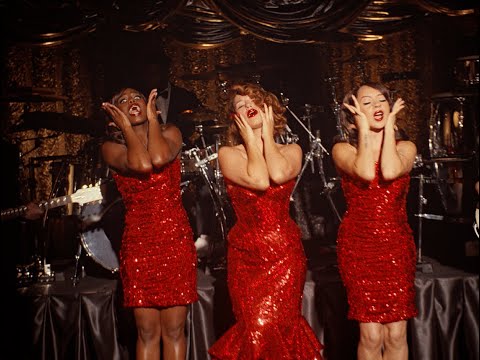
What makes this song particularly compelling is RAYE's willingness to appear genuinely desperate rather than maintaining the cool detachment often expected in contemporary pop. Her vocal delivery ranges from conversational storytelling to gospel-influenced pleading, creating an intimacy that makes listeners feel like confidants rather than audience. The stream-of-consciousness structure, complete with stammers and repetitions, mirrors how we actually think when consumed by longing—scattered, circular, and urgent. Her decision to include specific physical details about herself ("I'm 5'5" with brown eyes") adds a touching vulnerability, as if she's literally describing herself to a cosmic lost-and-found department.
Enduring Impact and Universal Recognition
"Where Is My Husband" resonates because it articulates a feeling that many experience but few admit: the active grief of anticipatory love. RAYE has created an anthem for everyone who has ever felt behind in life's romantic timeline, who has watched friends pair off while wondering when their turn will come. The song's power lies in its refusal to offer easy comfort or independent-woman platitudes; instead, it sits firmly in the discomfort of wanting something beyond one's control. By treating this longing as worthy of artistic exploration rather than embarrassed silence, RAYE validates a nearly universal experience while creating something genuinely cathartic. The track stands as a bold declaration that romantic desire—even when unfulfilled—is a legitimate subject for serious artistic expression, deserving of both spiritual weight and emotional honesty.