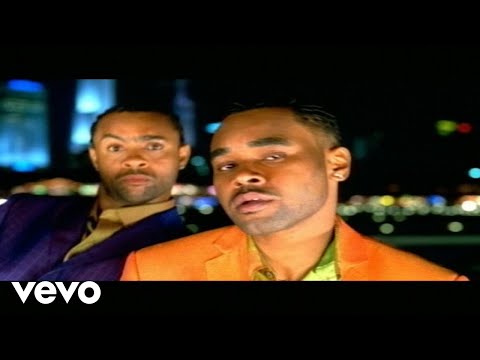
Shaggy's "Angel": A Redemption Story Wrapped in Caribbean Charm
At its foundation, "Angel" operates as a public apology and appreciation letter set to a reggae-fusion beat. Shaggy's message transcends simple romance, positioning itself as a meditation on loyalty, second chances, and the transformative power of unconditional support. The artist acknowledges past failures—neglect, incarceration, behavioral issues—while elevating his partner to near-divine status for her unwavering presence. This isn't merely infatuation; it's recognition of someone who remained steadfast through genuinely difficult circumstances, suggesting maturity and the understanding that true partnership reveals itself during adversity rather than celebration.
The emotional landscape oscillates between gratitude, humility, and reverent devotion. There's a palpable sense of relief threading through Shaggy's delivery—the relief of someone who recognizes they nearly lost something irreplaceable through their own shortsightedness. The repetition of "angel" creates an almost prayer-like quality, transforming what could be a standard love song into something approaching spiritual testimony. Rayvon's smoother vocal contributions provide the emotional sincerity that balances Shaggy's more conversational, confessional approach, creating a dynamic that feels both celebratory and soberly reflective.
Shaggy employs religious and royal imagery with deliberate intention, casting his partner as both "angel" and "queen"—elevated beyond the earthly realm yet deserving of tangible respect. The "savior" metaphor carries particular weight, suggesting she didn't just support him but fundamentally rescued him from a destructive path. The contrast between "life is one big party when you're still young" and questions about "the long run" serves as the song's philosophical backbone, distinguishing fleeting pleasure from enduring value. This binary frames the woman as representative of wisdom and foresight in opposition to youthful recklessness, a theme reinforced by references to his mother's disapproval of his past behavior.
The song taps into universally resonant themes of redemption and the search for authentic connection beneath superficial attractions. In addressing "all the youths," Shaggy positions the track as instructional—a cautionary tale about recognizing genuine partnership before it's too late. The incarceration reference grounds the song in socio-economic realities that affect many communities, particularly communities of color, where loyalty during imprisonment becomes a profound test of commitment. By publicly honoring a woman who "could have left, but I called and you heeded," Shaggy challenges cultural narratives that often glorify conquest over cultivation in relationships.
"Angel" resonates because it offers vulnerability without wallowing, accountability without self-flagellation. In an era when bravado dominated much of popular music, Shaggy's willingness to position himself as the flawed party—someone who required saving rather than providing it—struck a chord with listeners who recognized their own relationship failures. The infectious melody made the medicine go down easy, allowing serious themes about loyalty, growth, and appreciation to reach audiences who might skip more overtly serious fare. Ultimately, the song succeeds because it validates both parties: the steadfast partner receives public acknowledgment rarely afforded in popular music, while those who've made mistakes find a template for genuine appreciation rather than hollow apology.