The Haunting Resonance of Simple Plan's "Untitled": An Analysis
The Universal Cry of Desperation
"Untitled" (also known as "How Could This Happen to Me") stands as perhaps Simple Plan's most emotionally raw creation, a searing portrait of regret and desperation that transcends typical pop-punk fare. The song's central message revolves around a moment of profound crisis—a pivotal point where life has seemingly collapsed around the narrator. The repetitive, plaintive refrain "How could this happen to me?" isn't merely self-pity but rather the universal human response to tragedy that arrives without warning or preparation. Through its deliberately ambiguous narrative, the song brilliantly allows listeners to project their own experiences of regret and helplessness onto the lyrics, creating an emotional mirror that reflects individual suffering back with startling clarity.
Emotional Landscapes of Regret and Isolation
The emotional palette of "Untitled" is dominated by overwhelming regret, isolation, and a profound sense of helplessness. The narrator exists in a liminal space between consciousness and oblivion ("I open my eyes/I try to see but I'm blinded by the white light"), suggesting a metaphorical or perhaps literal life-threatening situation. The visceral description of unbearable pain—"I can't stand the pain/And I can't make it go away"—conveys not just physical suffering but the deeper psychological torment of knowing one's own choices have led to catastrophe. What makes the song particularly affecting is the palpable desperation in Pierre Bouvier's vocal delivery, which escalates from quiet devastation to a primal scream of anguish, mirroring the internal emotional journey many experience during profound crisis.
Symbolic Imagery of Disconnection and Liminality
The song's imagery creates a powerful sense of liminal space—existing between states—which serves as its central metaphorical framework. The "white light" that blinds the narrator evokes both hospital settings and near-death experiences, while the imagery of "slipping off the edge" and "hanging by a thread" positions the protagonist at the precipice between life and annihilation. Perhaps most haunting is the line "Everybody's screaming/I try to make a sound but no one hears me," which powerfully symbolizes the profound isolation one feels in moments of crisis—surrounded by chaos yet fundamentally alone in one's suffering. This symbolic vocabulary creates a richly textured emotional landscape that transcends the song's seemingly straightforward lyrics.
The Contextual Framework: Youth, Consequences, and Mortality
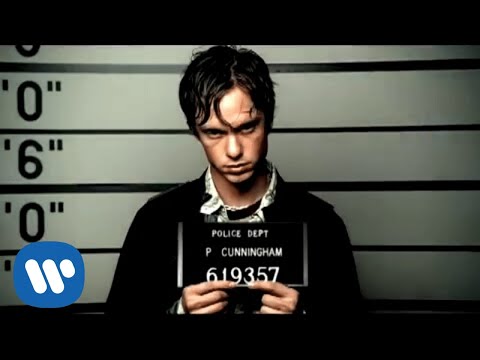
While never explicitly stated, "Untitled" has been widely interpreted as depicting the aftermath of a car accident, possibly involving drunk driving or reckless behavior. This reading gains power from the music video, which explicitly portrays the consequences of impaired driving. Within this context, the song becomes a powerful exploration of how split-second decisions, particularly those made during youth, can lead to irreversible consequences. The line "I can't erase the things that I've done" speaks to the finality of certain choices—a harsh reality that resonates deeply with adolescent and young adult listeners navigating a developmental period where consequences can suddenly become very real and permanent.
Universal Experiences and the Paradox of Regret
What elevates "Untitled" beyond mere melodrama is its unflinching examination of regret's paradoxical nature. The narrator desperately wishes to "start this over again" while simultaneously acknowledging the impossibility of undoing what's been done. This tension—between the human desire to rewrite our mistakes and the immutable reality that prevents it—creates the song's emotional core. By addressing this universal human experience, Simple Plan created a piece that resonates across age groups and life circumstances. The narrator's attempt to "hold onto a time when nothing mattered" further emphasizes this tension between innocence and responsibility, making the song a poignant commentary on the inevitable loss of youthful invulnerability.
Musical Architecture Supporting Emotional Intensity
The song's musical structure brilliantly complements its lyrical content, creating a soundscape that enhances the emotional journey. Beginning with soft, almost hesitant instrumentation that mirrors the disorientation described in the opening lines, the music builds steadily through each verse, ultimately exploding into the chorus with the full force of the band's instrumentation. This crescendo effect parallels the emotional journey from shock to full realization of one's situation. The song's relatively unadorned production compared to some of Simple Plan's more polished work serves its raw emotional content, allowing the vulnerability in Bouvier's vocals to take center stage and creating an authenticity that might have been lost with more elaborate production choices.
Cultural Impact and Enduring Resonance
Released in 2004 on the album "Still Not Getting Any," "Untitled" arrived during a period when pop-punk was beginning to explore more serious themes beyond teenage angst. The song helped establish Simple Plan as artists willing to venture into emotionally complex territory, distinguishing them from peers who remained in more superficial thematic realms. Its enduring power lies partly in its function as emotional catharsis—providing a vocabulary for expressing regret and despair that many listeners, particularly young people, might otherwise struggle to articulate. The song continues to find new audiences, particularly in digital spaces where its themes of isolation and regret remain powerfully relevant to contemporary experiences of mental health struggles and social disconnection.
The Universal in the Specific
What ultimately makes "Untitled" a standout in Simple Plan's catalog is its ability to transform a potentially specific narrative—widely interpreted as a car accident—into a universal meditation on regret, consequence, and the human capacity for suffering. The song's power lies not in offering resolution or redemption, but in its willingness to dwell fully in the moment of crisis, giving voice to the wordless desperation that accompanies life's most difficult moments. In this sense, "Untitled" transcends its pop-punk origins to become something more timeless: a musical embodiment of that universal human moment when we confront the irreversible consequences of our actions and cry out into an indifferent universe, "How could this happen to me?"