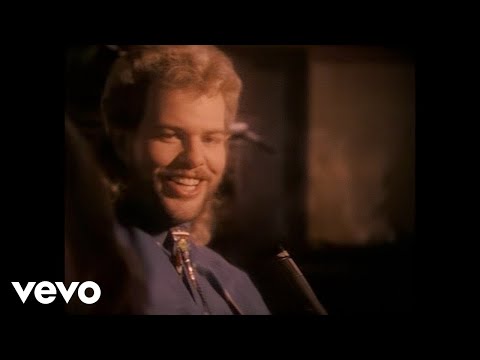
The Mythology of American Masculinity and Escape
Toby Keith's "Should've Been a Cowboy" operates as both a nostalgic lament and a sophisticated meditation on the gap between mythologized American ideals and contemporary reality. At its core, the song expresses a profound yearning for a simpler, more heroic existence—one where moral boundaries were clear, adventure was abundant, and masculinity was defined by noble action rather than modern complexity. Keith isn't merely romanticizing the Old West; he's articulating a deeper cultural longing for authenticity and purpose that resonates with listeners who feel disconnected from the sanitized, corporate landscape of modern life. The cowboy becomes a symbol of everything the narrator feels he's missing: freedom, courage, romantic appeal, and a clear sense of identity rooted in action rather than introspection.
The Ache of Unlived Lives and Missed Opportunities
The emotional landscape of the song is dominated by wistful regret and a peculiar form of nostalgia for experiences the narrator never actually had. This isn't the typical heartbreak of lost love or failed dreams, but rather the more abstract melancholy of paths not taken—a "what if" that extends beyond personal choice to encompass an entire way of being. The repetitive refrain "I should've been a cowboy" carries the weight of genuine longing, tinged with self-aware humor that prevents the sentiment from becoming overly maudlin. There's a playful quality to the regret, as if the narrator understands the impossibility of his fantasy while still being genuinely moved by it. This emotional complexity—serious yearning wrapped in lighthearted delivery—allows listeners to connect with both the sentiment and the absurdity of the wish.
Literary Craftsmanship and Pop Culture Archaeology
Keith demonstrates remarkable skill in weaving together references that span decades of American entertainment, from the television western "Gunsmoke" with Marshal Dillon and Miss Kitty to the singing cowboys Gene Autry and Roy Rogers. These aren't random nostalgic touchstones but carefully chosen symbols that represent different aspects of the cowboy mythology—the stoic lawman, the glamorous saloon keeper, the musical heroes who could fight and croon with equal skill. The opening verse about Marshal Dillon functions as a miniature character study, suggesting that even the fictional heroes of the Old West were emotionally constipated, unable to commit fully to love or domesticity. This sets up the central irony: the narrator romanticizes a lifestyle that, even in its idealized fictional form, was defined by emotional unavailability and restless wandering.
Symbolism of Freedom and Authentic Experience
The imagery throughout the song—six-shooters, cattle drives, desert stars, Texas Rangers—creates a rich tapestry of symbols representing authentic experience and meaningful action. The "cattle drive" isn't just about herding livestock; it's a metaphor for purposeful journey and honest work. The "six-shooter" represents not violence but agency and self-reliance. "Sleeping out all night beneath the desert stars" evokes a spiritual connection to nature and cosmos that feels absent from suburban or urban existence. These symbols work together to create an alternative reality where physical challenges replace psychological complexity, where moral choices are clear-cut, and where a man's worth is measured by his actions rather than his ability to navigate bureaucratic or social systems.
Universal Themes of Masculine Identity Crisis
Keith taps into a persistent strain of American masculine anxiety—the sense that modern life has somehow emasculated men by removing opportunities for heroic action, physical challenge, and clear moral purpose. The cowboy represents an idealized masculine archetype that predates the complications of contemporary gender roles, workplace politics, and suburban conformity. Yet the song's genius lies in its self-awareness; Keith presents this fantasy without entirely endorsing it, allowing listeners to enjoy the escapism while recognizing its limitations. The narrator's admission that he "should've" been a cowboy acknowledges that this identity was never actually available to him, making the longing both more poignant and more relatable to audiences who share similar feelings of displacement in modern society.
Cultural Commentary on American Dreams Deferred
The song functions as subtle social criticism, highlighting how contemporary American life can feel disconnected from the frontier values and adventurous spirit that supposedly define the national character. The reference to California being "full of whiskey, women and gold" evokes the promise of the American West as a land of opportunity and sensual pleasure—a stark contrast to the regulated, sanitized world of modern middle-class existence. Keith captures the peculiar American tragedy of being raised on stories of frontier adventure while living in a world where such adventures are largely impossible or illegal. The cowboy becomes a symbol not just of individual freedom but of a national identity that feels increasingly fictional.
Enduring Resonance and Cultural Impact
"Should've Been a Cowboy" endures because it articulates something many people feel but rarely express: the sense that they've been born into the wrong era, that their true selves would have flourished in a different time and place. The song's lasting appeal lies in its perfect balance of sincerity and self-awareness, allowing listeners to indulge in the fantasy while acknowledging its impossibility. Keith's achievement is creating a modern classic that works simultaneously as escapist entertainment and gentle social commentary, speaking to universal desires for authenticity, adventure, and clear purpose that transcend any specific generation or demographic. The cowboy mythology he invokes represents not just American history but the eternal human longing for a life of meaning, courage, and romantic possibility—feelings that remain relevant regardless of how much the world changes.