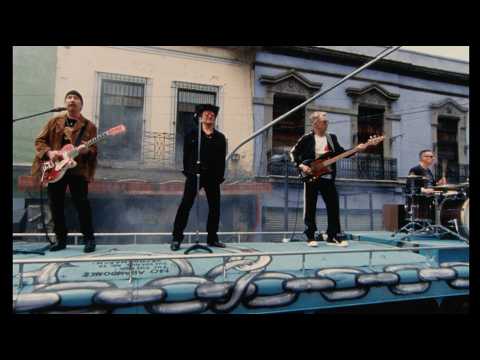
Street of Dreams: U2's Ode to Desperate Hope
The Core Message: Finding Redemption Through Perseverance
U2 crafts a powerful narrative about spiritual seeking and the relentless pursuit of meaning when stripped to one's most vulnerable state. The song opens with a prayer uttered from the edge of existence, establishing a framework where human desperation meets divine petition. What emerges is a manifesto about accessibility—the street of dreams isn't some exclusive paradise but rather a democratic space where all doors stand open. Yet there's a bittersweet recognition that those who walk this path are themselves broken, suggesting that dreams require a kind of fracturing before transformation becomes possible. The band communicates that our aspirations won't materialize through passive waiting but through active engagement with fate, fear, and the uncertain journey ahead.
Emotional Landscape: Desperation Meeting Defiance
The emotional architecture oscillates between profound vulnerability and fierce determination, creating a tension that feels quintessentially human. The opening prayer carries the weight of someone at their absolute limit, invoking God with the urgency of final breaths. But rather than collapsing into despair, the song pivots toward combative optimism—fighting fate, refusing to be blinded by fear, riding the metaphorical bus despite not knowing the destination. This emotional whiplash resonates because it mirrors how people actually experience crisis: oscillating between begging for intervention and summoning internal strength. The repeated Spanish phrase adds a mystical, almost folkloric quality, as though the street of dreams exists in some liminal cultural space where struggle transforms into something sacred.
Literary Architecture: Bilingualism and Call-Response
The song employs several sophisticated literary devices that elevate it beyond simple motivational anthem. The bilingual structure isn't mere decoration—the Spanish phrase functions as both chorus and incantation, grounding abstract concepts in the concrete imagery of an actual street while suggesting that dreams transcend linguistic and cultural boundaries. The call-and-response format in the middle sections creates a dialogic quality, as though the singer is both questioning and answering themselves, embodying the internal negotiation that accompanies major life decisions. The paradox of broken chosen ones is particularly striking—it subverts prosperity gospel thinking to suggest that those who pursue dreams are selected precisely through their wounds rather than despite them. The juxtaposition of justice as obsession and love as procession paints complementary pictures of how different forces move through our aspirational landscapes.
Universal Resonance: The Immigrant's Journey and Beyond
While the Spanish integration and themes of seeking could connect to immigrant experiences—those literally traveling streets in search of dreams—the song's reach extends to anyone experiencing displacement or transformation. The geographical and existential distance expressed in being far from anywhere captures not just physical migration but psychological states of transition, depression, or spiritual crisis. The insistence that dreams serve the many rather than the few injects social conscience into what could be purely individualistic messaging, positioning personal aspiration within collective liberation. This democratic framing makes the song resonate across class lines, speaking equally to those pursuing artistic ambitions, economic survival, or fundamental human dignity. The street metaphor itself is brilliantly accessible—everyone understands streets as pathways, as meeting places, as spaces of both danger and possibility.
Why It Resonates: Permission to Be Simultaneously Broken and Striving
In an era that often demands either toxic positivity or cynical resignation, this song offers something more honest: the permission to be desperate, broken, and still reaching. Audiences connect with its refusal to prettify the journey or guarantee outcomes while maintaining that engagement with dreams remains worthwhile. The spiritual framing without specific religious doctrine makes it inclusive enough for believers and secular listeners alike—it's a prayer, but also an assertion of self-determination. Perhaps most powerfully, the reciprocal relationship proposed in the final verse—that dreams need you as much as you need them—reframes aspiration as mutual obligation rather than one-sided yearning. U2 has always excelled at packaging earnest emotion in stadium-sized sound, and here they've created an anthem for everyone who's ever felt simultaneously lost and called to something greater, acknowledging that those two states might be inseparable rather than contradictory.