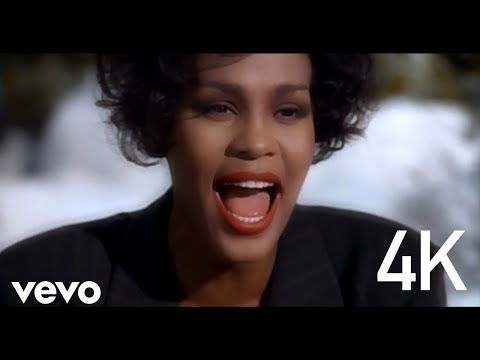
The Transcendent Farewell: Unpacking Whitney Houston's "I Will Always Love You"
Whitney Houston's rendition of "I Will Always Love You" stands as one of music's most powerful declarations of selfless love. Originally penned by Dolly Parton in 1973, Houston's 1992 interpretation for "The Bodyguard" soundtrack transformed this seemingly simple ballad into a monumental cultural touchstone. At its core, the song presents a paradox that resonates deeply with listeners: a farewell that simultaneously affirms eternal devotion. The narrator makes the painful choice to leave a relationship not because love has faded, but because their presence impedes the other's fulfillment—"If I should stay, I would only be in your way." This central message of sacrificial love elevates the song beyond typical breakup narratives into something far more nuanced and mature.
The emotional landscape of the song traverses a remarkable spectrum, though anchored in a profound melancholy. What makes Houston's interpretation so affecting is her ability to convey multiple emotions simultaneously—resignation and resolve coexist with lingering attachment and hope. The song's emotional pivot occurs in the bridge, where bittersweet acceptance evolves into genuine well-wishing. This progression mirrors the complex emotional journey of healthy separation: from the pain of parting to a place of authentic goodwill. Houston's vocal performance—particularly her restrained verses that build to that iconic, soaring chorus—creates an emotional topography that mirrors the psychological stages of letting go while holding onto love's essence.
The lyrics employ elegant simplicity that belies their poetic depth. The recurring refrain "I will always love you" functions as both promise and mantra, gaining emotional weight with each repetition. Parton's lyrics utilize the power of direct address—"you, my darling, you"—creating intimacy between narrator and subject while inviting listeners to project their own experiences onto these universal sentiments. The "bittersweet memories" line serves as a powerful metaphor for how relationships persist in our consciousness, becoming simultaneously precious and painful artifacts we carry forward. There's remarkable restraint in the writing—no florid descriptions or complex metaphors—yet this simplicity allows the emotional truth to shine unobstructed.
The song's narrative structure reveals a sophisticated emotional intelligence. The opening establishes the pragmatic reasoning behind the departure, while the middle section acknowledges the emotional aftermath. Most powerfully, the bridge shifts perspective entirely, focusing solely on hopes for the other's future happiness. This selfless transition elevates the song from personal lament to universal expression of love's highest form—wanting another's happiness above one's own. Houston's vocal interpretation honors this progression, beginning with restraint and building to that cathartic final chorus where her technical virtuosity becomes the perfect vehicle for emotional release that words alone cannot express.
What distinguishes "I Will Always Love You" from countless other love songs is its mature treatment of relationships. Rather than depicting the intoxicating beginnings of romance or the bitter aftermath of betrayal, it explores the complicated territory of loving someone enough to let them go. This notion speaks to a universal human experience that transcends the romantic realm—it resonates with parents watching children grow independent, friends supporting each other's diverging paths, or anyone who has sacrificed proximity for another's growth. The line "we both know I'm not what you need" reflects a painful self-awareness that many find achingly familiar, capturing the moment when love's expression shifts from possession to liberation.
Houston's interpretation arrives at a unique cultural intersection that enhanced its impact. Released during a period when R&B ballads dominated popular music and when Whitney herself represented the pinnacle of vocal excellence, the song became a showcase for both emotional authenticity and technical virtuosity. The a cappella opening—Houston's unadorned voice declaring "If I should stay"—creates an immediate intimacy before the instrumentation enters, symbolizing how true communication strips away everything but the essential message. The song's appearance in "The Bodyguard" further contextualized its themes within a narrative of impossible love between people from different worlds, adding cinematic resonance to its already powerful message.
Nearly three decades after Houston's version topped charts worldwide, "I Will Always Love You" retains its emotional potency because it speaks to love's most noble and difficult expression. In a culture often preoccupied with romantic conquest or bitter endings, this song offers a more nuanced perspective: that sometimes love's greatest act is stepping aside. Houston's performance—with its perfect balance of vulnerability and strength—crystallizes the emotional complexity of choosing separation as an act of love rather than its negation. When she reaches the climactic key change and delivers those final declarations of eternal love, she transforms what could be merely a sad farewell into something approaching spiritual transcendence. The song endures because it captures a profound truth: that love, in its purest form, sometimes means letting go while holding on to the love itself.